

Waterproofing Contractors in Roodepoort
Every year, roofs in the West Rand endure heavy rainfall, making it no surprise that leaking roofs are one of the most common issues faced by both homeowners and businesses.
Whether a project is large or small, ensuring proper waterproofing from the start is essential, as fixing a failed waterproofing system can be expensive.
The best approach to roof maintenance is to inspect your roof every three years, even if no leaks are visible. Damaged tiles, deteriorated waterproofing membranes, cracked tiles, and rusted screws or bolts can compromise your roof structure and ceiling, leaving them vulnerable to water damage.
Waterproofing
Membranes - Waterproofing

Liquid applied membranes and membrane sheeting.
Each has their pros, and skilled waterproofing professionals know which membrane type is best for your building.
A waterproofing membrane has to be strong, flexible, tear-resistant and elastic in order that it can stretch to cover cracks and also move with the building. If the membrane is exposed to the sun, then it must be UV stable.
Membranes are used in the following parts of a building:
- over terrace slabs and balconies
- bathrooms
- concrete water tanks (use a food secure membrane)
- swimming pools
- over landscaped concrete decks,
- between the soil and concrete
- gutters
Torch-On Waterproofing.
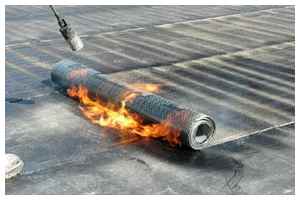
Torch-On Waterproofing is suitable for full water immersion and as sub-soil applications.
Torch-On roofing is resistant to leaks, it is made of rubberized asphalt material that's melted to the roof of your home by using the torch. It is flexible, strong and water-resistant material, and has a special quality of reflecting UV rays of the sun. This helps in maintaining the temperature of the house.
Roof Flashing
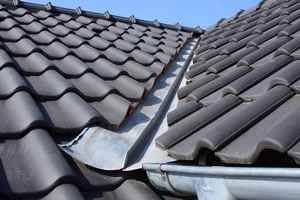
If you’re collecting dripping water in a pot beneath your roof, you may want to inspect the roof flashing. Anywhere surfaces intersect on a roof is a top spot for water seepage.
Flashing provides the extra protection these spots need. Those problem areas include the edges of skylights and chimneys, vent fans, soil stacks, and roof valleys, as well as the intersection of the roof deck and dormer walls.
All Kinds of Damp
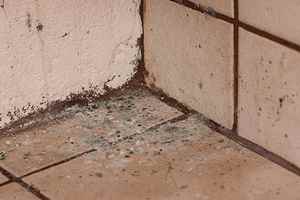
UCP's fully qualified and experienced surveyors and technicians will:
- Start by identifying all of the areas affected by rising damp.
- Establish any features that may be causing the damp problem and propose solutions so that you can rectify or we can include the solution within our treatment plan.
- Identify if there are any moist rot or dry rot issues due to the rising damp issue.
- Ensure your property is left clean and safe at the end of any property works.
- Carry out all rising damp installations and external repairs.
Fibre Flex Waterproofing.

Fibre Flex waterproofing is suggested for outdoor surfaces.
Used as a finishing coat for tops of exposed plastered walls, small ledges, window sills, tops of plaster moldings, exposed weather-facing walls or fair-faced brick walls.
Waterproofing contractors use Fibre Flex Waterproofing for:
- tiled roof cappings
- parapet walls
- flashings
- properly graded roof decks
- lap joints
- water features
- roofing screws
- fish ponds
- other waterproofing
Roof Ridge Waterproofing.

One of the most common issues found by house inspectors when checking roofs with concrete tiles is badly installed ridge cap tiles.
Unless attended to, damaged mortar joints on ridge capping tiles will result in roof leaks. These important tiles need to be laid on a bed of mortar in order to properly secure and waterproof the ridges of the roof. Due to wrong building techniques, a very common problem found is cracked, loose and missing mortar along the ridge capping.
Parapet Walls

The wind that blows over the top of the roof causes the air to swirl and form vortices at the roof edges that create huge pressure differences at roof perimeters that can suck roofs off buildings. Parapets dramatically reduce these pressure differences at roof edges.
Subsoil Drainage

Subsoil drainage protects your property from water damage. This system is used to get rid of excess water from the soil surrounding your property in architectural, sewage and irrigation applications and to provide water to flowers as well as drain sewage away from your property.
A subsoil drainage system is installed in the ground and needs to be installed by either a landscaper or qualified plumber.
Purpose of subsoil drainage:
- It increases the stability of the ground.
- Reduces building foundation movements because of the variations in the soil moisture content.
- Increases in soil strength.
- Protection from water damage.
FAQs for Waterproofing Contractors Roodepoort
1. What types of waterproofing do you offer in Roodepoort?
We provide a full range of waterproofing solutions including roof waterproofing, balcony and basement waterproofing, damp proofing, torch-on membrane systems, and waterproofing for retaining walls.
2. How do I know if my home in Roodepoort needs waterproofing?
Common signs include damp walls, peeling paint, mold growth, water stains on ceilings, or musty smells. If you notice any of these, it's best to contact a waterproofing contractor for an inspection.
3. How long does waterproofing last?
A professional waterproofing job can last between 7 to 15 years, depending on the method used, material quality, and environmental conditions. Regular maintenance can extend its lifespan.
4. Do you offer free waterproofing quotes in Roodepoort?
Yes, we offer no-obligation, free on-site assessments and quotations for clients throughout Roodepoort and nearby areas.
5. Can waterproofing help increase my property value?
Absolutely. Proper waterproofing prevents structural damage, reduces long-term repair costs, and enhances the overall value and safety of your property.
Our location in Roodepoort
715 Corlett Ave, Grobler Park, Roodepoort, South Africa